Persons with disabilities have the same fundamental right to health as those without disabilities. However, as the World Health Organization Global report on health equity for persons with disabilities points out, many persons with disabilities continue to die earlier, have poorer health, and experience more limitations in their daily functioning than others. This is why disability inclusion in healthcare is especially critical and urgent.
Dr. Toh Teck Hock, a seasoned pediatrician and Special Olympics Asia Pacific regional clinical advisor, has been working tirelessly for decades towards advancing inclusive and accessible healthcare for people with intellectual and developmental disabilities (IDD), who are one of the most marginalized people in the world.
Local Reach, Global Impact: Global Golisano Health Leadership Awardee
“Health is something that everyone has the right to enjoy,” says Dr. Toh, who also serves as the Clinical Director of Special Olympics Malaysia. Health is not just living without disease, as he put it, “It is actually enjoying—to live, to do work, and to study”.
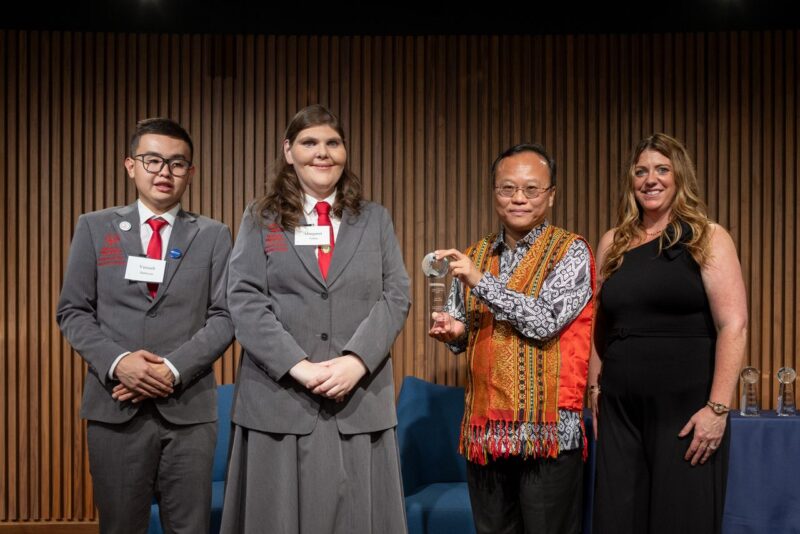
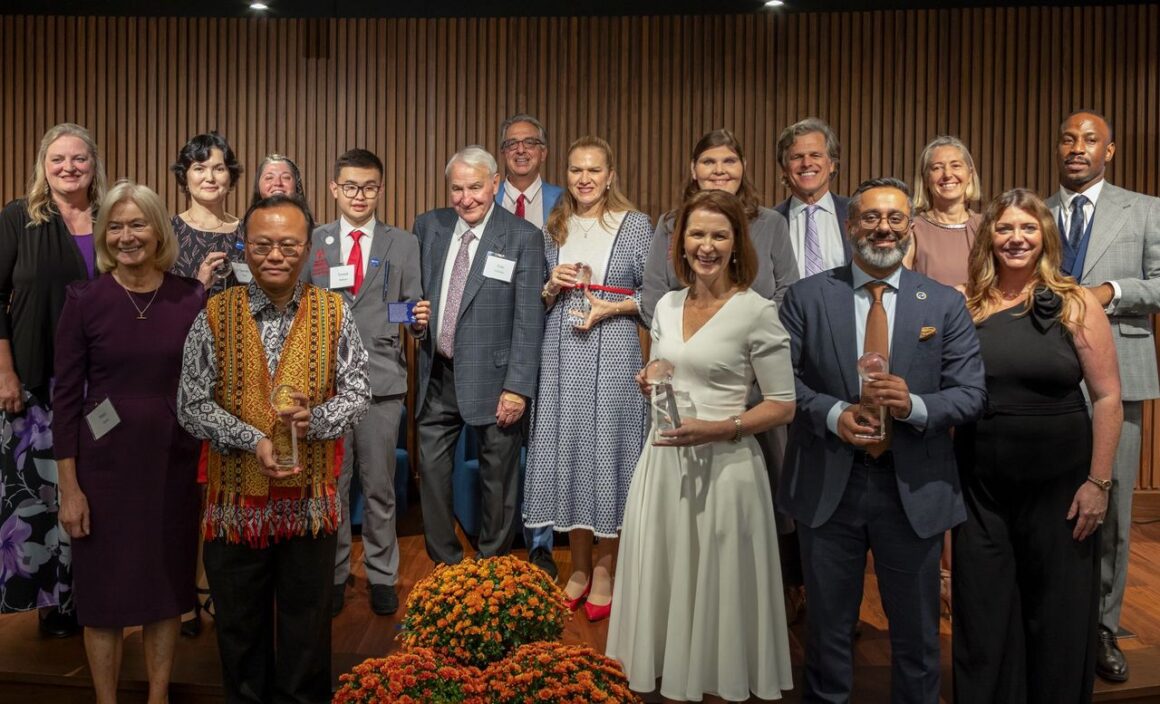
His goal is to ensure children with IDD receive the care and support they need to thrive not only in school, but especially in life. That passion, dedication, and resilience have been recently recognized with the 2025 Global Golisano Health Leadership Award, the highest honor from Special Olympics Health.
His medical expertise, combined with his compassion and policy leadership, has transformed his local community in Sibu, Sarawak, Malaysia.
Passion for Inclusion: From Healthcare to Education
Dr. Toh has worked in the United Kingdom and Singapore in the past. Since deciding to come home after working abroad, he has built a truly transformative movement starting from his local community, to wider Malaysia and the Asia Pacific Region.
In 2006, Dr. Toh co-founded the Agape Centre, a one-stop children’s developmental clinic in Sarawak. The center is focused on early diagnosis detection (EDD) and early childhood intervention (ECI). Blending community engagement with national partnerships, Dr. Toh has been successful in contributing to inclusive health systems, creating awareness and championing advocacy for children and youth with intellectual and developmental disabilities.
This advocacy work has led to a gradual shift in mindsets with more families becoming receptive in seeking medical support and advice, observes Dr. Toh. “Over the years, with collaborations like the Agape Centre, I see changes. Parents are more willing to bring their children looking for help. They know that with the diagnosis, with assessments, with the intervention, the children can live a better life,” he says.
Working closely with families for timely intervention
One way that Dr. Toh advocates for inclusion is by integrating children with IDD into mainstream preschool programs. Through Dr. Toh’s leadership, Agape Centre guided over 200 preschoolers through its ECI program in 2023. 80% of the preschoolers were able to transition into various preschool programs. This year, nearly half of the ECI graduates with autism moved on to mainstream primary school classes.
Dr Toh. explains his involvement in school work, saying, “A lot of people may say that helping a child to find a school is probably not a doctor’s job, but if a child cannot be accepted into the kindergarten, how can you expect a child to live healthy?”
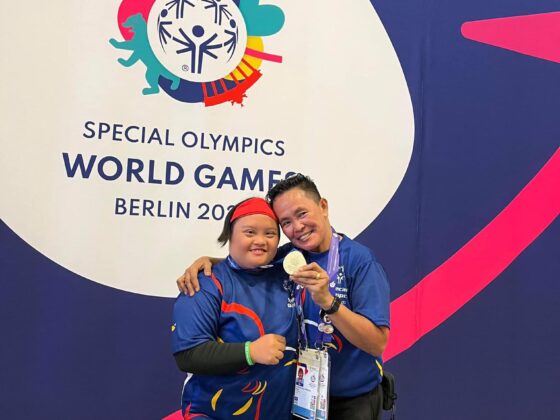
Patrick Yek, a parent of Special Olympics Malaysia athlete Adeline, is especially grateful for Dr Toh’s guidance, which has been instrumental in transforming her from a withdrawn, quiet child into a competitive swimmer and young woman who now works at Agape Centre.
As he puts it, “We realized that, you know, that we need input to guide her. For example, taking care of herself, eating the right food, Dr. Toh really helped us in this aspect, to enable her to go and learn swimming and to encourage her to exercise.”
Spearheading Transformation
In addition to his clinical work, Dr. Toh has also helped shape policies related to the inclusion of people with IDD through serving on various committees in the Malaysian Ministry of Health and the Ministry of Education.
Early intervention, treatment and access to quality health care for people with IDD is important as this supports the individual’s wellbeing and development and mitigates the need for costly public services in the future, stresses Dr. Toh.
This is why policymakers, families and health practitioners should closely cooperate in the planning and implementation of programs that address the needs of people with IDD.
“Ultimately, we need to create a society that is more inclusive so that people can live in a more healthy way,” says Dr. Toh.