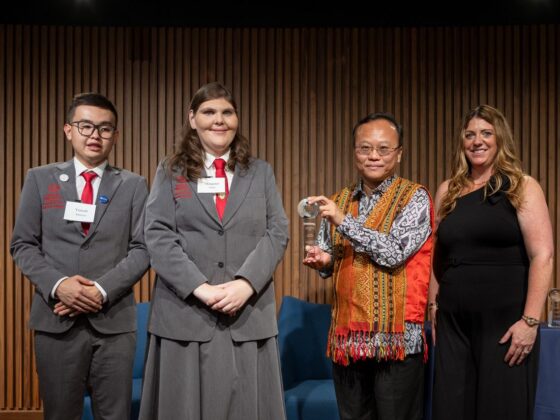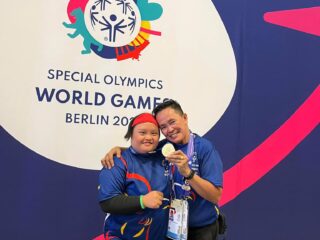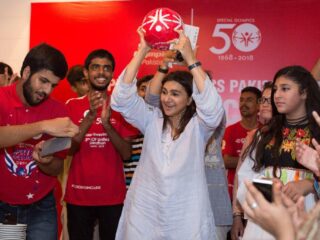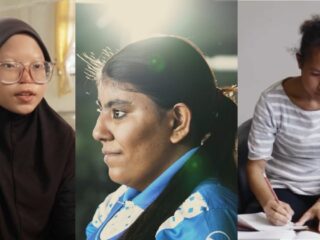
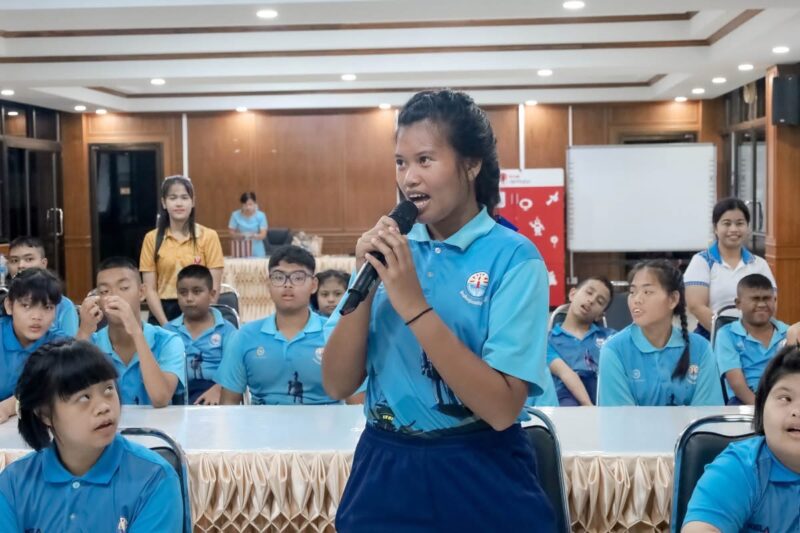
In India, 23-year-old Yashika Bhatt is encouraging others to speak up and be heard. In Thailand, Kaewalin “Pin” Thamnium is mentoring younger students through school programs. In Singapore, Jocelyn Sng is advocating for greater inclusion through sport.
None of them started as leaders—they began simply by showing up.
What began as participation has grown into something far more powerful. Across Asia-Pacific, women with intellectual and developmental disabilities (IDD) are stepping into roles as mentors, advocates, and changemakers. Through Special Olympics programs, they are redefining leadership as confidence built over time through opportunity, visibility, and belief.
Sport becomes the catalyst to fuel confidence and eventually builds leadership. Today, these women are not just participating—they are shaping more inclusive spaces and opening doors for others. Leadership does not begin with a title, but a first step and the support to keep going.
A growing global conversation
Around the world, the conversation about women in sport is gaining momentum. This progress creates a vital opportunity to ensure that women and girls with intellectual disabilities are equally represented and empowered.
While research on physical activity among persons with IDD is still emerging, interest is steadily growing. Only a small number of studies have explored participation and lived experiences so far, especially in Asia-Pacific, highlighting the need to deepen understanding, strengthen programs, and create more inclusive pathways for participation.
Current data shows that just 7 to 23% of persons with intellectual disabilities meet recommended levels of physical activity, with women participating at slightly lower rates than men. Increasing access, encouragement, and leadership opportunities can help unlock this untapped potential.
Across communities, women and girls with IDD are ready to engage more fully in sport when the right support systems are in place. Inclusive sports programs, trained coaches, accessible facilities, and safe transportation open doors, while environments that celebrate confidence and independence help to sustain progress.
Stories of Leadership
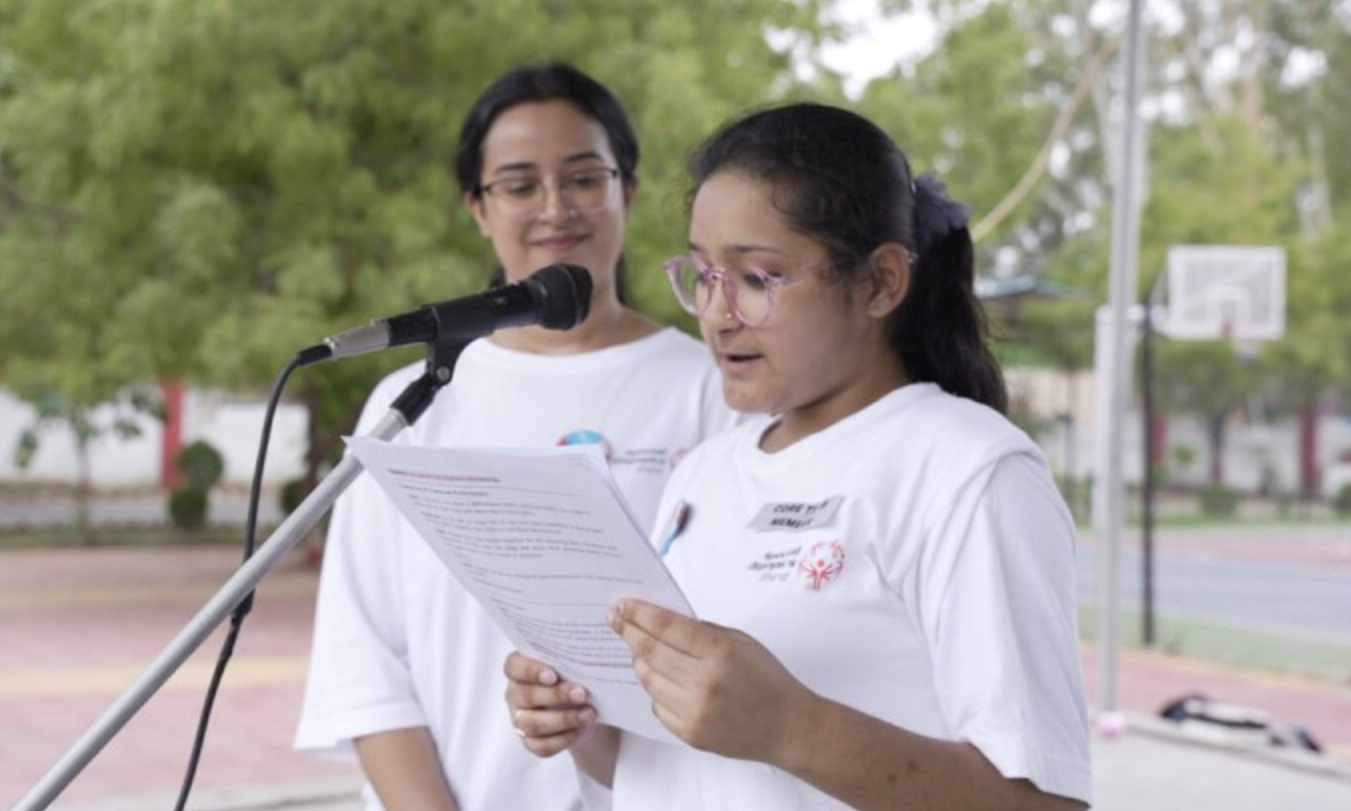
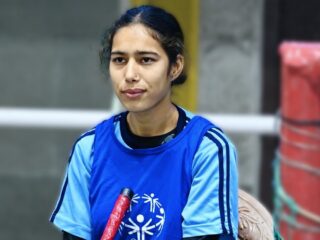
For Yashika Bhatt, leadership began with uncertainty.
Through Special Olympics Bharat (India), Yashika gradually grew from being an athlete into a confident advocate for inclusion. Sport helped her build self-belief, and with it came the courage to speak up, share her experiences, and support others.
Today, she uses that same voice to encourage other athletes to participate, ask questions, and step forward. By supporting initiatives that promote leadership and inclusion, Yashika helps other athletes see possibilities they may not have imagined before.
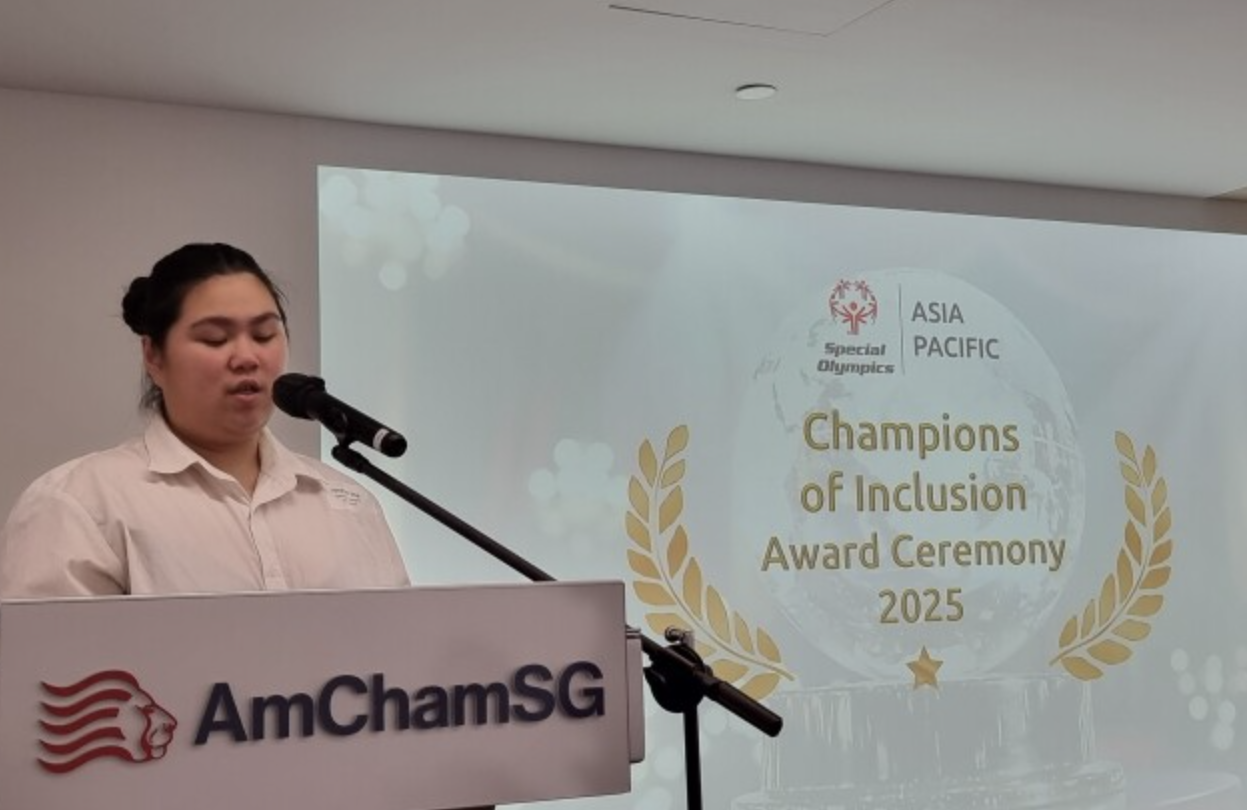
In Singapore, Jocelyn Sng found that sport opened doors not only to competition but to advocacy. Through Special Olympics Singapore, she embraced opportunities to champion inclusion and challenge stereotypes by advocating for greater inclusion and encouraging others to participate.
Today, Jocelyn strongly believes that women with intellectual disabilities should have the chance to lead, share their stories, and inspire others. Her leadership reflects resilience and determination, showing that athletes can change perceptions.
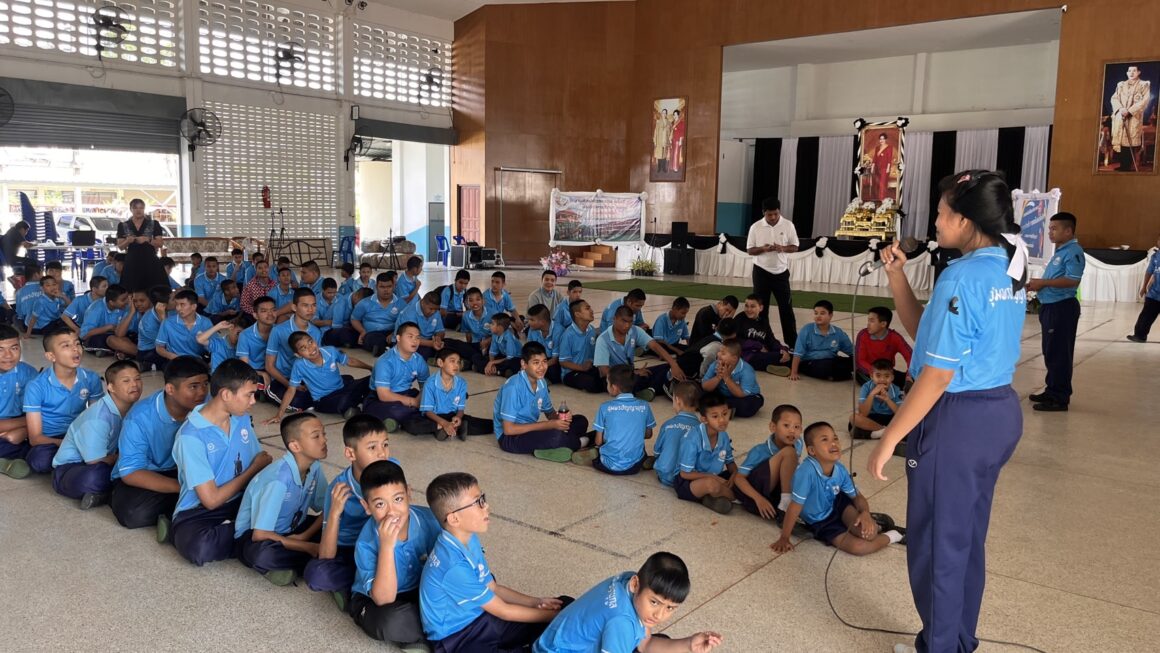
In Thailand, Kaewalin “Pin” Thamnium’s journey started with a simple desire to support others.
As a recipient of the Women Play Women Lead grant, she mentors younger athletes through school-based initiatives, promoting health awareness, hygiene education, and offering reassurance to those who feel unsure before an activity, while also guiding others through new experiences. Her leadership is rooted in empathy, showing how encouragement can build confidence in the next generation and demonstrating the powerful impact women athlete leaders can have within their communities.
Though they live in different countries, Yashika, Pin, and Jocelyn share a common thread: leadership built through small but meaningful acts—encouraging fellow athletes and creating spaces where confidence can grow.
Women Play Women Lead
That is where Special Olympics initiatives like Women Play Women Lead, supported globally by Bank of America, play a vital role. By focusing on increasing the number of female athlete leaders while ensuring they have meaningful roles in shaping programs, it empowers women with IDD to step forward as athletes, mentors, and advocates—strengthening sport participation, confidence, representation, and community impact. Representation matters: when women see others like themselves leading, new possibilities emerge.
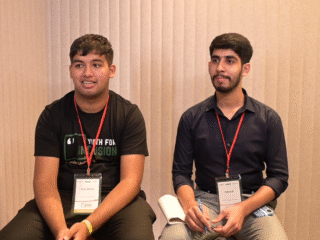
Special Olympics Asia Pacific is also strengthening research efforts to better understand what motivates women with IDD to participate in sport. In an innovative approach, athlete leaders themselves are serving as co-researchers in studies across Guam, India, Malaysia, New Zealand, Pakistan, and Vietnam, gathering insights from athletes, parents, coaches, and communities.
This approach embodies a key inclusive research principle:
“Nothing about us, without us.”
By involving persons with intellectual disabilities directly in research, their real experiences and lived realities make the research richer, more accurate, and more meaningful.
The road ahead
The journeys of Yashika, Pin, and Jocelyn are just the beginning. Every day, women with intellectual disabilities are challenging barriers, reshaping perceptions, and leading within their communities. Through sport, they are proving that inclusion is not just about participation—it is about creating opportunities for leadership, confidence, and personal growth.
When women lead, the impact extends far beyond the playing field. It reaches families, communities, and future generations, building a future where every person, regardless of ability, has the opportunity to participate, lead, and thrive.